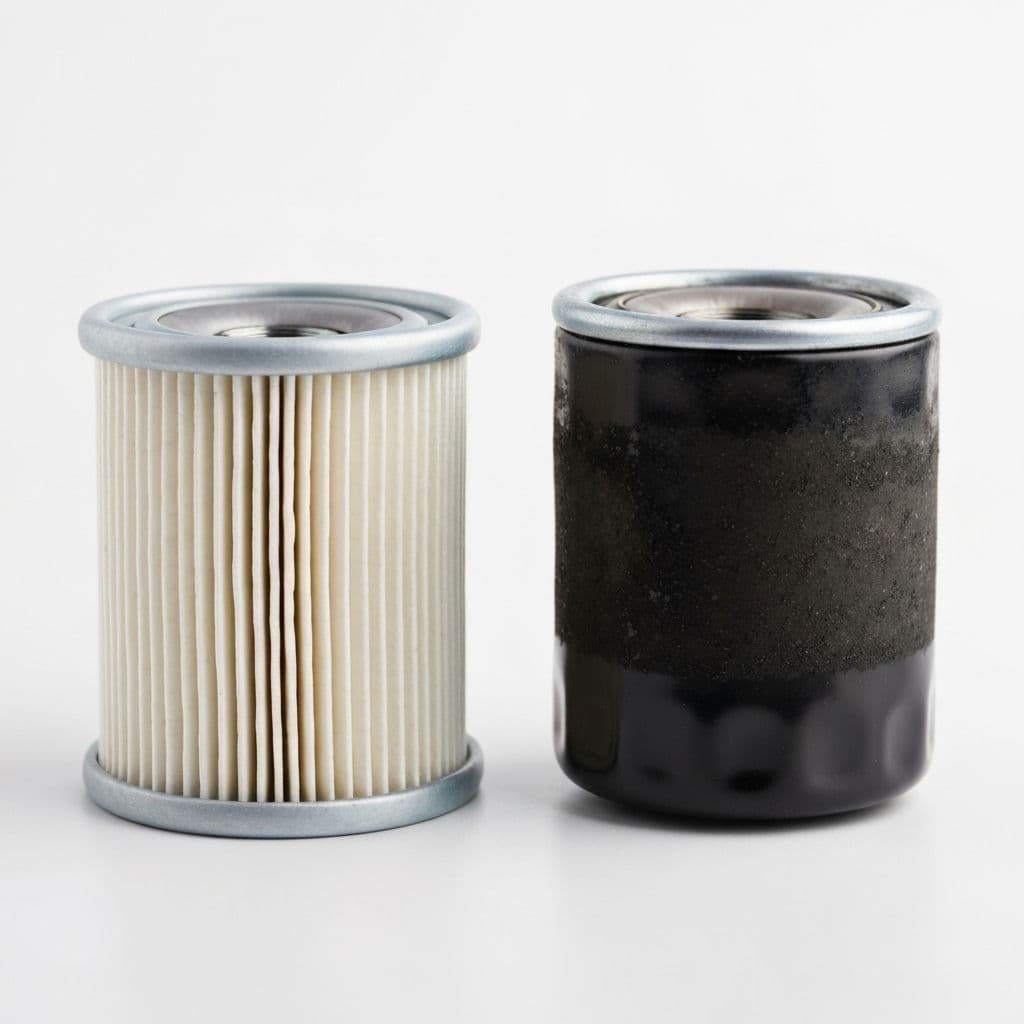
The oil filter is one of the most underappreciated components in your engine. Working quietly in the background, it removes metal particles, carbon deposits, and other contaminants from your engine oil — preventing them from circulating and causing abrasive wear.
How oil filters work: Modern oil filters use a pleated paper or synthetic media element that traps particles as small as 10-20 microns. The filter also contains an anti-drainback valve to prevent oil from draining away when the engine is off, and a bypass valve that opens if the filter becomes clogged — ensuring oil flow continues even if the filter is blocked.
Signs your oil filter needs replacement: - Decreased oil pressure (check your dashboard gauge or warning light) - Engine running hotter than normal - Dirty or dark exhaust - Unusual engine noise, especially at startup - Sludge buildup visible on oil cap or dipstick
Best practices: - Always replace the filter with every oil change - Use quality filters that match your vehicle specifications - Pre-fill the new filter with fresh oil before installation (where accessible) - Hand-tighten only — over-tightening can damage the gasket - Check for leaks after installation and after running the engine
A quality oil filter costs only a few euros but provides invaluable protection. Combined with premium i-GlooOil engine oil, a fresh filter ensures your engine receives clean, properly filtered lubrication at all times.